
The Complete Guide to Tractor Loader Attachments
A tractor is one of the most versatile pieces of machinery on any farm, construction site or rural property. However, its true value comes from the attachments it can use. By choosing the right tractor loader attachments, operators can transform a single machine into a multi-purpose workhorse capable of lifting, digging, clearing, carrying and loading a wide range of materials.
Whether you're maintaining a small acreage, managing a broadacre farming operation or working in earthmoving and construction, investing in the right front-end loader attachments can improve productivity, reduce manual labour and help you complete jobs more safely and efficiently.
Modern tractor attachments are available in a wide variety of designs, each engineered for a specific application. From moving gravel and clearing rocks to handling hay bales or removing vegetation, selecting the right attachment helps your machinery perform at its full potential.
In this comprehensive guide, we'll explore the most common tractor loader attachments, explain where each one performs best and provide practical advice to help you choose the right equipment for your operation.
What Are Tractor Loader Attachments?
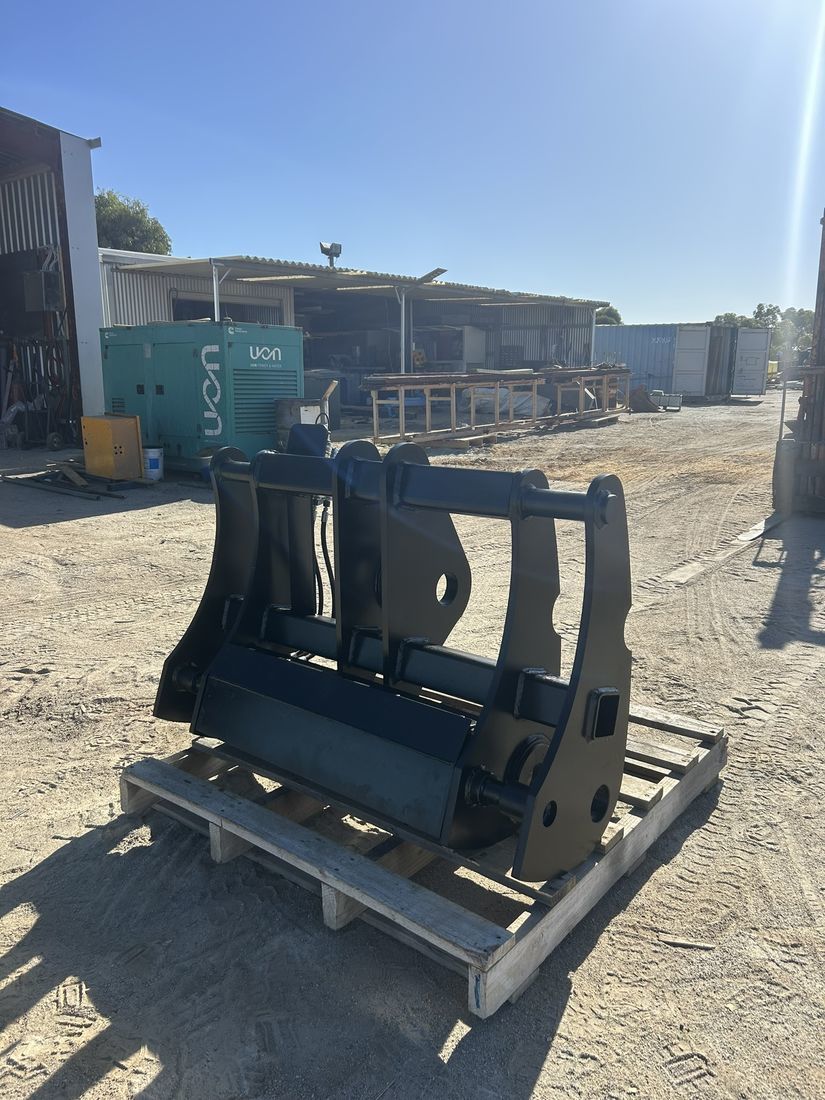
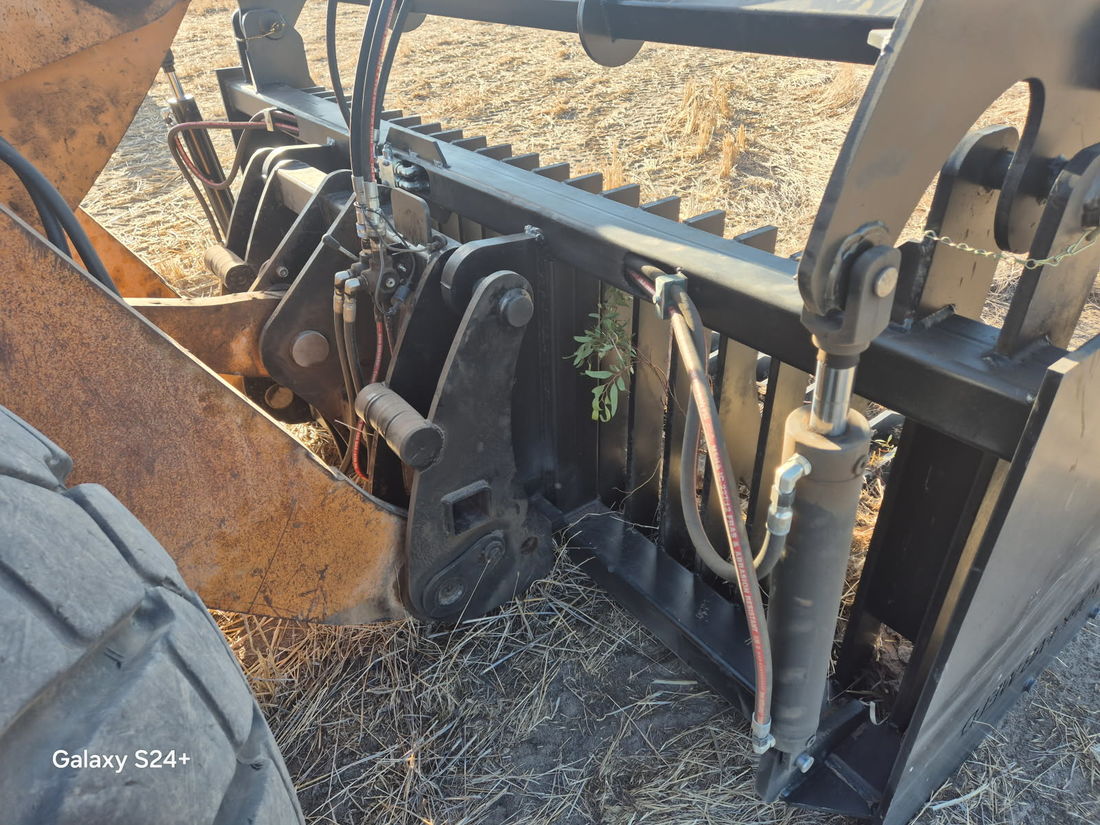
Tractor loader attachments are interchangeable implements that connect to the front-end loader of a tractor or loader. They are designed to perform specific tasks without requiring multiple machines, making them among the most cost-effective investments for agricultural, industrial, and construction businesses.
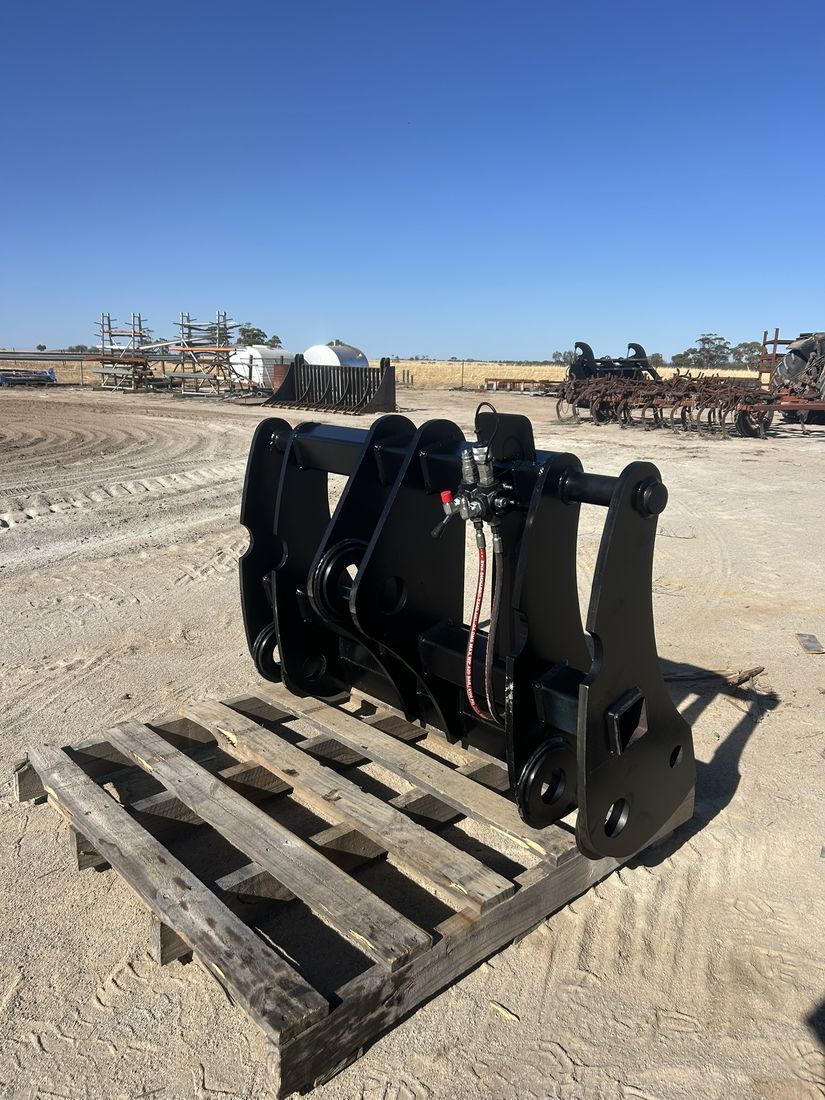
Most modern loaders use quick-attach or quick-hitch systems, allowing operators to swap attachments quickly and safely. This flexibility means a single tractor can complete a variety of jobs throughout the day by simply changing attachments.
Depending on your requirements, common loader attachments include:
- General-purpose buckets
- Heavy-duty buckets
- Rock buckets
- Grapple buckets
- Root rakes
- Stick rakes
- Pallet forks
- Bale spears
- Hay forks
- Silage forks
Each attachment has been developed to solve a particular challenge. Using the right attachment not only makes work easier but also reduces unnecessary wear on machinery while improving overall efficiency.
For businesses with specialised requirements, custom loader attachments can be fabricated to suit specific machinery, operating conditions and workloads, delivering even greater performance and long-term value.
Benefits of Using the Right Loader Attachment
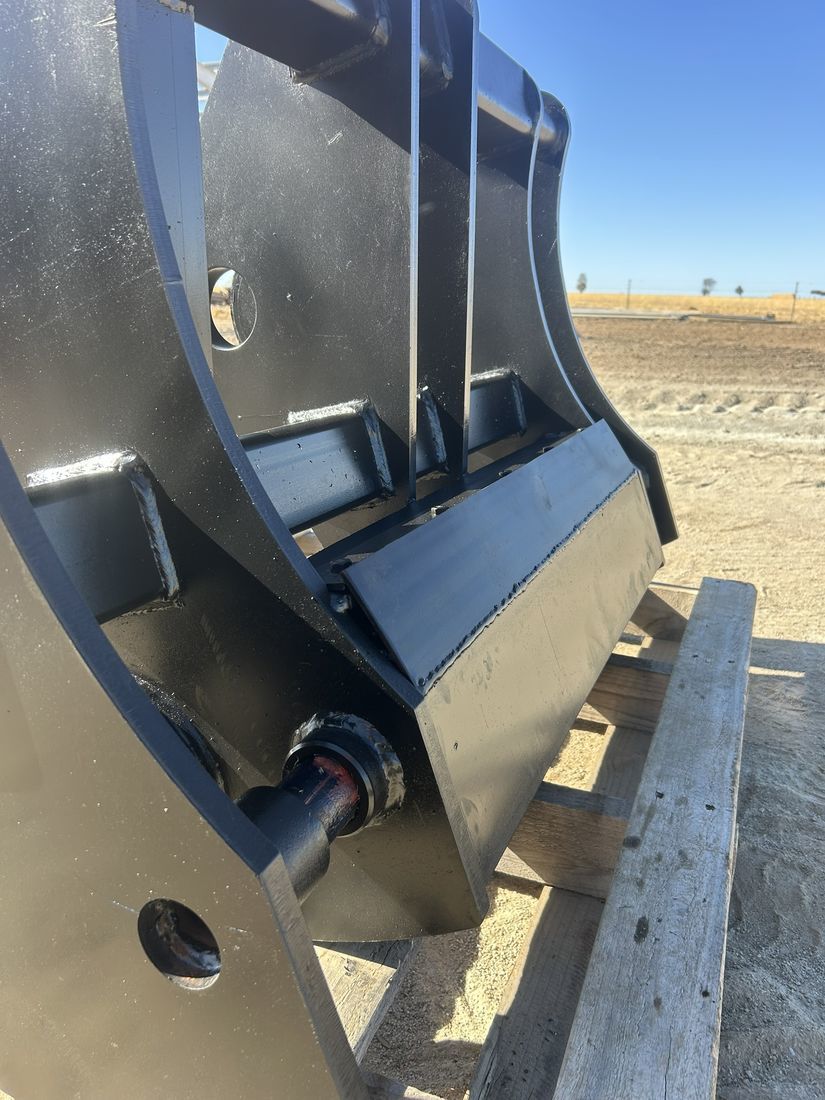
Choosing the correct tractor front-end loader attachment is about much more than convenience. The right attachment can significantly improve productivity while reducing operating costs and extending the life of your equipment.
Increased Productivity
Specialised tractor attachments allow operators to complete tasks faster because each attachment is designed specifically for the job at hand.
For example, clearing rocks with a standard bucket can be slow and inefficient, whereas a dedicated rock bucket quickly separates soil from rocks with far less effort. Likewise, moving hay bales with pallet forks isn't as efficient or as safe as using a purpose-built bale spear.
Matching the attachment to the application allows machinery to work smarter rather than harder.
Greater Versatility
One of the biggest advantages of front-end loader attachments is their versatility. Instead of purchasing multiple specialised machines, operators can perform dozens of different tasks using the same tractor simply by changing attachments.
This reduces capital expenditure while maximising the value of existing equipment.
Reduced Equipment Wear
Using attachments for their intended purpose helps reduce unnecessary stress on the tractor and loader.
When operators force general-purpose equipment to perform specialised tasks, components often experience excessive strain, leading to premature wear, increased maintenance and costly repairs.
Purpose-built attachments distribute loads more effectively and perform tasks more efficiently, helping extend equipment life.
Improved Safety
Using the correct attachment also improves workplace safety.
Attachments designed specifically for lifting, carrying, or clearing materials generally offer better stability, improved load control, and greater visibility than improvising with unsuitable equipment. This reduces the risk of accidents while making everyday tasks easier for operators.
Better Return on Investment
Although purchasing multiple loader attachments represents an upfront investment, they often pay for themselves through increased productivity, lower labour costs and reduced downtime.
Businesses can take on a wider variety of work without purchasing additional machinery, making attachments one of the most valuable upgrades available for tractors and loaders.
The Most Popular Tractor Loader Attachments
General Purpose Bucket
The general-purpose bucket is one of the most commonly used tractor loader attachments and is often the first attachment supplied with a new loader. Designed for everyday material handling, it offers excellent versatility across a wide range of agricultural, landscaping and construction applications.
General-purpose buckets are ideal for moving:
- Soil
- Sand
- Gravel
- Mulch
- Compost
- Grain
- Light rubble
- General materials
Because of their balanced design, they're suitable for property owners and businesses that regularly perform a range of loading tasks rather than a single specialised application.
General-purpose buckets are commonly used for:
- Farm maintenance
- Landscaping
- Loading trailers
- Cleaning sheds
- Site preparation
- Moving stockpiles
While highly versatile, they aren't always the best choice for heavy-duty work involving rocks, demolition material or abrasive conditions.
Operators regularly working in these environments may benefit from upgrading to a stronger attachment designed specifically for more demanding applications.
Heavy Duty Bucket
As the name suggests, a heavy-duty bucket is built for tougher working conditions where standard buckets may wear prematurely or become damaged.
Manufactured using thicker steel, reinforced side plates and strengthened structural components, heavy-duty buckets are designed to withstand higher impact loads and more abrasive materials.
They're commonly used in:
- Earthmoving
- Civil construction
- Quarry operations
- Rural contracting
- Heavy agriculture
- Industrial material handling
Compared with standard buckets, heavy-duty buckets generally provide:
- Greater structural strength
- Improved resistance to bending
- Longer service life
- Better durability in harsh environments
- Lower maintenance requirements
Although heavier than general-purpose buckets, they offer greater strength, making them an excellent investment for operators who routinely work in demanding conditions.
For businesses that handle abrasive materials every day, investing in a heavy-duty bucket often reduces long-term ownership costs by improving durability and reducing the need for repairs.
Rock Bucket
A rock bucket is one of the most valuable front-end loader attachments for agricultural and rural properties where rocks, debris and unwanted material need to be removed without losing valuable topsoil.
Unlike standard buckets, rock buckets feature spaced tines or bars that allow soil and loose material to fall through while retaining larger rocks, branches and debris.
This simple but highly effective design dramatically improves efficiency when clearing paddocks, preparing land for cultivation or cleaning construction sites.
Common applications include:
- Rock removal
- Land clearing
- Paddock preparation
- Property maintenance
- Construction site clean-up
- Vegetation removal
- Landscaping projects
Using a dedicated rock bucket provides several important advantages over a standard bucket.
The open design allows operators to separate materials in a single pass, reducing handling time while minimising the amount of soil removed from the site.
This improves productivity and reduces unnecessary material movement, particularly during large-scale land improvement projects.
For many Australian farmers, contractors and earthmoving businesses, a rock bucket quickly becomes one of the most frequently used tractor attachments thanks to its ability to save both time and labour.
Where standard products don't meet operational requirements, custom loader attachments can also be fabricated to suit specific machinery, tine spacing, bucket widths and operating conditions, delivering even greater efficiency for specialised applications.
Grapple Bucket
A grapple bucket combines the versatility of a standard loader bucket with the gripping power of hydraulic clamps, making it one of the most practical tractor loader attachments for handling bulky, irregular or difficult-to-secure materials.
Unlike a conventional bucket, a grapple bucket uses one or more hydraulic arms to firmly hold material in place while it is lifted and transported. This provides greater control and significantly reduces the risk of loads shifting during operation.
Grapple buckets are commonly used for:
- Clearing fallen trees and branches
- Handling logs and timber
- Moving demolition materials
- Loading green waste
- Transporting large rocks
- Managing storm debris
- General property clean-up
For farmers, contractors and earthmoving operators, a grapple bucket can dramatically reduce the amount of manual labour required to clear vegetation or load bulky materials.
When selecting a grapple bucket, it's important to consider:
- Tractor lifting capacity
- Hydraulic flow requirements
- Grapple opening width
- Bucket capacity
- Material type
- Frequency of use
For demanding commercial applications, custom loader attachments can be designed with reinforced tines, heavier construction and hydraulic configurations suited to your machinery and operating environment.
Root Rake
A root rake is purpose-built for clearing land while preserving as much valuable topsoil as possible. Instead of using a solid bucket, a root rake features heavy-duty tines that allow loose soil to fall through while collecting roots, stumps, scrub, branches and other vegetation.
This makes root rakes one of the most effective front-end loader attachments for:
- Land clearing
- Vegetation management
- Property development
- Firebreak preparation
- Fence line clearing
- Site preparation
- Reclaiming overgrown land
Root rakes are particularly popular throughout rural Western Australia, where maintaining paddocks and clearing regrowth are ongoing parts of farm management.
The open design not only improves efficiency but also reduces unnecessary soil disturbance, helping preserve the condition of the land while speeding up clean-up operations.
For operators regularly working in rocky or heavily timbered environments, reinforced custom steel fabrication can provide additional strength in high-wear areas, increasing durability and extending service life.
Stick Rake
Although similar in appearance to a root rake, a stick rake is designed specifically for collecting lighter vegetation, sticks, branches and surface debris. Instead of digging into the ground, stick rakes are intended to skim across the surface, making them ideal for cleaning paddocks, construction sites and cleared land.
Typical applications include:
- Removing fallen branches
- Collecting sticks
- Clearing scrub
- Cleaning fence lines
- Preparing paddocks
- Removing storm debris
- General property maintenance
Because stick rakes minimise soil disturbance, they help retain valuable topsoil while efficiently gathering unwanted material into manageable piles for disposal.
Many farmers consider a stick rake one of the most useful tractor attachments for ongoing property maintenance, particularly following harvesting, land clearing or severe weather events. When built from high-quality steel and fabricated with reinforced techniques, a heavy-duty stick rake can provide years of reliable performance in demanding Australian conditions.
Pallet Forks
Few tractor loader attachments offer the versatility of pallet forks. Designed to lift and transport palletised loads safely, they quickly transform a tractor into a practical material handling machine suitable for farms, workshops, warehouses and construction sites.
Pallet forks are commonly used for moving:
- Pallets
- Fertiliser
- Seed
- Feed
- Building materials
- Fencing supplies
- Machinery components
- Bulk bags
For agricultural businesses, pallet forks are particularly valuable during planting and harvesting seasons when large quantities of materials need to be moved efficiently around the property.
Compared with lifting loads manually or using a bucket, pallet forks provide:
- Greater stability
- Improved visibility
- Better load control
- Reduced product damage
- Increased workplace safety
When choosing pallet forks, operators should ensure the attachment matches both the loader's lifting capacity and the expected load weight.
Heavy-duty pallet forks are available for commercial operations requiring higher lifting capacities and frequent use.
Bale Spear
For livestock producers and mixed farming operations, a bale spear is an essential piece of equipment.
Purpose-built for lifting and transporting round or square hay bales, bale spears provide a simple, secure and efficient solution that minimises bale damage during handling.
A typical bale spear consists of one heavy-duty central spear supported by stabiliser tines that prevent the bale from rotating during transport.
Bale spears are commonly used for:
- Feeding livestock
- Loading trailers
- Stacking hay
- Moving silage bales
- Transporting fodder around the farm
Compared with using buckets or pallet forks, bale spears allow operators to move bales more quickly while reducing the risk of tearing bale wrap or damaging tightly packed fodder.
When selecting a bale spear, consider:
- Bale size
- Bale weight
- Loader lifting capacity
- Frequency of use
- Tractor size
Choosing a quality attachment ensures safer operation and longer service life, particularly during busy feeding seasons.
Hay Forks
While bale spears are designed for transporting individual bales, hay forks are better suited to handling loose hay, silage and lighter agricultural materials. Hay forks feature multiple closely spaced tines that support large volumes of material while keeping loose debris secure during transport.
They're commonly used for:
- Loading loose hay
- Feeding livestock
- Handling straw
- Moving fodder
- Cleaning sheds
- Loading trailers
Because of their broad carrying capacity, hay forks allow operators to move greater volumes in fewer trips, improving efficiency across everyday farming operations. Heavy-duty front-end loader attachments, such as hay forks, are particularly useful on livestock properties where feed handling is a daily requirement.
For businesses handling large quantities of hay year-round, investing in a purpose-built attachment can significantly reduce labour and loading times.
Silage Fork
A silage fork is specifically designed for handling dense, compacted silage and other heavy fodder materials. Unlike hay forks, silage forks feature stronger frames and heavier tines that can support greater loads without bending or twisting under pressure.
Silage forks are commonly used for:
- Loading silage pits
- Feeding cattle
- Handling green fodder
- Moving compost
- Loading organic materials
Their robust construction makes them one of the most durable loader attachments available for livestock operations. Using the correct attachment also improves feed handling efficiency while reducing unnecessary strain on the tractor loader.
Operators managing larger feeding programs often find that dedicated silage forks save considerable time compared with general-purpose buckets.
Material Bucket
A material bucket is designed for moving large volumes of relatively lightweight materials quickly and efficiently. While similar in appearance to a general-purpose bucket, material buckets typically offer greater capacity, higher sides, and lighter construction suited to less abrasive materials.
Material buckets are ideal for handling:
- Grain
- Mulch
- Woodchips
- Compost
- Fertiliser
- Sawdust
- Snow (where applicable)
- Other lightweight bulk materials
Because they carry greater volumes per load, material buckets improve productivity whenever weight is less of a limiting factor than capacity.
They are commonly used on farms, landscaping businesses and industrial sites where operators regularly move high-volume materials throughout the day.
When selecting a material bucket, ensure the increased capacity doesn't exceed the lifting capability of your tractor or front-end loader.
For businesses with specialised handling requirements, custom metal fabrication allows material buckets to be manufactured in specific widths, capacities and configurations to maximise efficiency while matching individual machinery specifications.
With the right combination of tractor loader attachments, operators can complete a wide variety of tasks using a single machine. From clearing vegetation and handling pallets to feeding livestock and moving bulk materials, each attachment is designed to improve productivity, reduce manual labour and help businesses get the most from their equipment.
How to Choose the Right Loader Attachment
With so many tractor loader attachments available, choosing the right one can seem overwhelming. The best attachment for your business depends on the type of work you perform, the capabilities of your machinery and how frequently the equipment will be used.
Taking the time to select the correct front-end loader attachment will improve productivity, reduce wear on your machinery and help you get the best return on your investment.
Consider Your Primary Application
Start by identifying the jobs your loader performs most often. For example:
- General farm maintenance – General-purpose bucket
- Heavy earthmoving – Heavy-duty bucket
- Land clearing – Root rake or stick rake
- Rock removal – Rock bucket
- Pallet handling – Pallet forks
- Hay and fodder transport – Bale spear, hay forks or silage fork
- Vegetation and debris removal – Grapple bucket
Choosing an attachment designed specifically for your primary tasks will allow your equipment to work more efficiently while reducing unnecessary strain.
Match the Attachment to Your Loader
Not every attachment suits every machine. Before purchasing a new loader attachment, check:
- Loader lifting capacity
- Hydraulic flow requirements
- Quick-hitch compatibility
- Bucket width
- Machine horsepower
- Operating weight
Selecting an attachment that's too large or too heavy can reduce stability, place excessive stress on the loader and affect overall performance.
Think About Your Working Environment
The conditions in which your equipment operates should also influence your decision.
Consider factors such as:
- Rocky ground
- Sandy soils
- Heavy clay
- Timbered areas
- Construction sites
- Livestock operations
- Mining environments
Different environments place different demands on equipment, and choosing the appropriate attachment will improve both productivity and longevity.
Plan for Future Growth
Many businesses purchase attachments based only on today's requirements. However, if you're planning to expand your operation, purchase larger machinery or diversify the work you undertake, investing in higher-quality or custom loader attachments now may save money in the long term.
Choosing versatile attachments that handle multiple applications also provides greater flexibility as your business evolves.
Standard vs Custom Loader Attachments
One of the most common questions buyers ask is whether they should purchase a standard attachment or invest in a custom-built solution.
The answer depends on how specialised your work is.
Standard Loader Attachments
Standard tractor loader attachments are ideal for businesses performing common agricultural, landscaping or construction tasks.
Benefits include:
- Lower upfront cost
- Faster availability
- Proven designs
- Suitable for general applications
- Widely compatible with many loaders
For many property owners and smaller farming operations, standard attachments provide excellent value and versatility.
Custom Loader Attachments
Where standard equipment doesn't quite meet operational requirements, custom loader attachments offer significant advantages. Custom fabrication allows equipment to be designed around:
- Specific machinery
- Material types
- Site conditions
- Working widths
- Capacity requirements
- Reinforced wear areas
- Heavy-duty applications
For businesses operating in demanding industries such as agriculture, earthmoving, mining or civil construction, custom attachments often improve productivity while reducing downtime and maintenance costs.
At York Fabweld, we design and manufacture custom metal fabrication solutions tailored to the way our clients actually work. Whether it's modifying an existing attachment or building something entirely new, custom fabrication ensures your equipment performs exactly as required.
Maintaining Tractor Loader Attachments
Like any investment, tractor attachments perform best when they're properly maintained. Routine inspections and preventative maintenance not only improve safety but also help maximise equipment life while reducing unexpected repair costs.
A simple maintenance routine should include:
Clean After Use
Removing dirt, mud, fertiliser, silage and debris prevents corrosion and makes it easier to identify any developing damage.
Inspect Welds Regularly
Pay close attention to welded joints, mounting points and high-stress areas. Small cracks are often much easier and less expensive to repair before they become major structural failures.
Check for Wear
Inspect cutting edges, tines, wear plates and pivot points for signs of excessive wear. Replacing worn components early can prevent more extensive damage later.
Lubricate Moving Components
Attachments with hinges, pivots or hydraulic mechanisms should be lubricated according to the manufacturer's recommendations. Proper lubrication reduces wear while ensuring smooth operation.
Store Equipment Correctly
Whenever possible, store front-end loader attachments undercover or on well-drained surfaces. Protecting equipment from unnecessary exposure to moisture helps reduce corrosion and extends service life.
Schedule Professional Inspections
For attachments used heavily throughout the year, periodic inspections by an experienced metal fabrication company can identify wear or structural issues before they lead to equipment failure.
Preventative maintenance almost always costs less than emergency repairs.
Find the Right Tractor Loader Attachments for Your Business
The right tractor loader attachments can completely transform the way your equipment performs. Whether you're moving soil, clearing land, handling hay, transporting pallets or tackling demanding earthmoving projects, purpose-built attachments improve productivity, increase versatility and help you get more from your machinery.
While standard front-end loader attachments are suitable for many everyday applications, businesses with specialised requirements often achieve even greater results through custom metal fabrication. Purpose-built equipment can improve efficiency, reduce downtime and provide the durability needed to withstand Australia's harsh operating conditions.
At York Fabweld, we design and manufacture high-quality tractor and loader attachments, as well as custom-fabricated equipment for agricultural, earthmoving, construction, and industrial applications across Western Australia. Whether you need a heavy-duty rock bucket, a custom grapple, reinforced pallet forks, or a completely bespoke attachment, our experienced team can deliver a solution tailored to your machinery and the work you do.
If you're looking for reliable, Australian-made tractor loader attachments that are built to perform, contact us at York Fabweld today to discuss your requirements. We'll help you choose—or custom build—the right attachment to maximise the productivity, durability and performance of your equipment.
Frequently Asked Questions
Are tractor loader attachments universal?
Not always. While many modern loaders use common quick-hitch systems, compatibility varies between manufacturers and machine models. It's important to confirm mounting systems, hydraulic requirements and loader capacities before purchasing any attachment.
Which tractor loader attachment is the most useful?
The answer depends on your operation. A general-purpose bucket is usually the most versatile attachment, while many farmers also consider pallet forks, rock buckets and bale spears essential for day-to-day work.
How long do loader attachments typically last?
High-quality loader attachments can last for many years when used and maintained properly. Service life depends on operating conditions, material quality, frequency of use and routine maintenance.
Can damaged loader attachments be repaired?
In many cases, yes. Cracks, worn cutting edges, damaged tines and structural wear can often be repaired or reinforced through professional steel fabrication and welding, extending the life of the attachment while restoring its performance.
Are Australian-made loader attachments worth the investment?
Australian-made tractor loader attachments are often designed specifically for local conditions and built using high-quality materials suited to demanding agricultural and industrial environments. For many businesses, this results in improved durability, easier access to support and better long-term value.