When businesses invest in fabrication, one of the most common questions is:
“What is involved in custom metal fabrication?”
For many, fabrication might seem like a simple process of cutting and welding metal. In reality, it’s a detailed, multi-step process that requires planning, precision, and expertise to deliver strong, long-lasting results.
Whether you’re in agriculture, construction, or industrial work, understanding the custom metal fabrication process helps you make better decisions, avoid costly mistakes, and ensure you get a solution that truly meets your needs.
In this guide, we break down exactly how custom fabrication works, from initial concept through to the finished product.
What Is Custom Metal Fabrication?
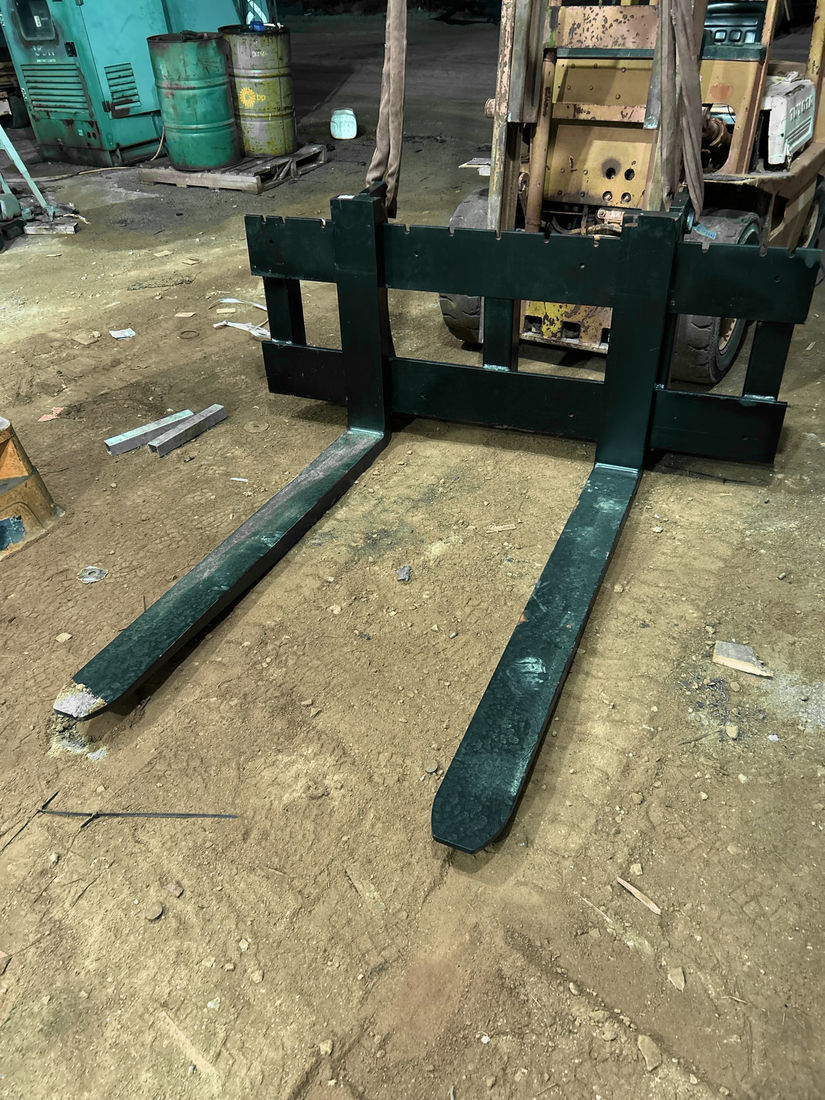
Custom metal fabrication is the process of designing and building metal structures, components, or equipment tailored to a specific purpose. Unlike off-the-shelf products, custom fabrication is tailored to your exact requirements — your machinery, workload, and environment.
This approach is widely used across:
- Agriculture (attachments, machinery components)
- Construction (structural steel and supports)
- Industrial applications (equipment and custom builds)
When it comes to custom metal fabrication in WA, this level of tailoring is especially important given the harsh working conditions and heavy-duty demands on equipment.
Step 1: Consultation & Understanding Requirements
Every successful fabrication project starts with a clear understanding of the client’s needs.
What Happens in This Stage?
- Discussing the purpose of the project
- Understanding the equipment or machinery involved
- Identifying challenges or problems to solve
- Considering the working environment (e.g. WA conditions)
This step is critical. A well-planned project leads to better performance, while poor planning often results in inefficiencies or premature failure.
An experienced fabricator will ask the right questions and ensure nothing is overlooked before moving forward.
Step 2: Design & Planning
Once the requirements are clear, the next stage is turning the concept into a workable design.
Key Elements of the Design Process
- Accurate measurements and dimensions
- Structural considerations
- Load-bearing requirements
- Material selection planning
This is where the custom fabrication process becomes highly technical. Every detail must be carefully planned to ensure the final product performs as expected.
A well-designed fabrication not only fits perfectly but also improves efficiency and durability.
Step 3: Material Selection
Choosing the right material is a crucial part of the process. Not all metals are created equal, and selecting the wrong one can lead to early failure or poor performance.
Factors Considered
- Strength and load capacity
- Resistance to wear and impact
- Corrosion resistance
- Weight and flexibility
- Cost-effectiveness
For projects in Western Australia, material selection is even more important. Equipment must withstand harsh environments, heavy use, and long operating hours.
That’s why experienced steel fabrication providers in WA prioritise high-quality materials suited to local conditions.
Step 4: Cutting & Shaping the Metal
Once the design and materials are finalised, the fabrication process moves into production.
What Happens Here?
- Metal is cut to precise dimensions
- Components are shaped and formed
- Pieces are prepared for assembly
Precision is essential at this stage. Even small inaccuracies can affect the final fit and performance of the product.
This step lays the foundation for the entire build, ensuring all components align correctly during assembly.
Step 5: Welding & Assembly
Welding is one of the most critical stages in custom fabrication. This is where individual components are joined together to form the final structure.
Key Considerations
- Strength and durability of welds
- Structural integrity
- Alignment and positioning
- Suitability for intended use
High-quality welding ensures the finished product can handle stress, weight, and ongoing use without failure.
In many cases, the strength of the weld determines the lifespan of the entire fabrication. That’s why working with experienced professionals is essential.
Step 6: Finishing & Quality Control
Before the project is complete, the fabrication undergoes finishing and inspection.
Finishing Processes
- Grinding and smoothing rough edges
- Cleaning and preparing surfaces
- Applying protective coatings if required
Quality Control Checks
- Structural integrity
- Accuracy of dimensions
- Strength and durability
- Overall finish
This stage ensures the final product meets both safety standards and performance expectations.
Applications of Custom Metal Fabrication
Custom fabrication is used across a wide range of industries and applications.
Common Uses Include
- Agricultural equipment and attachments
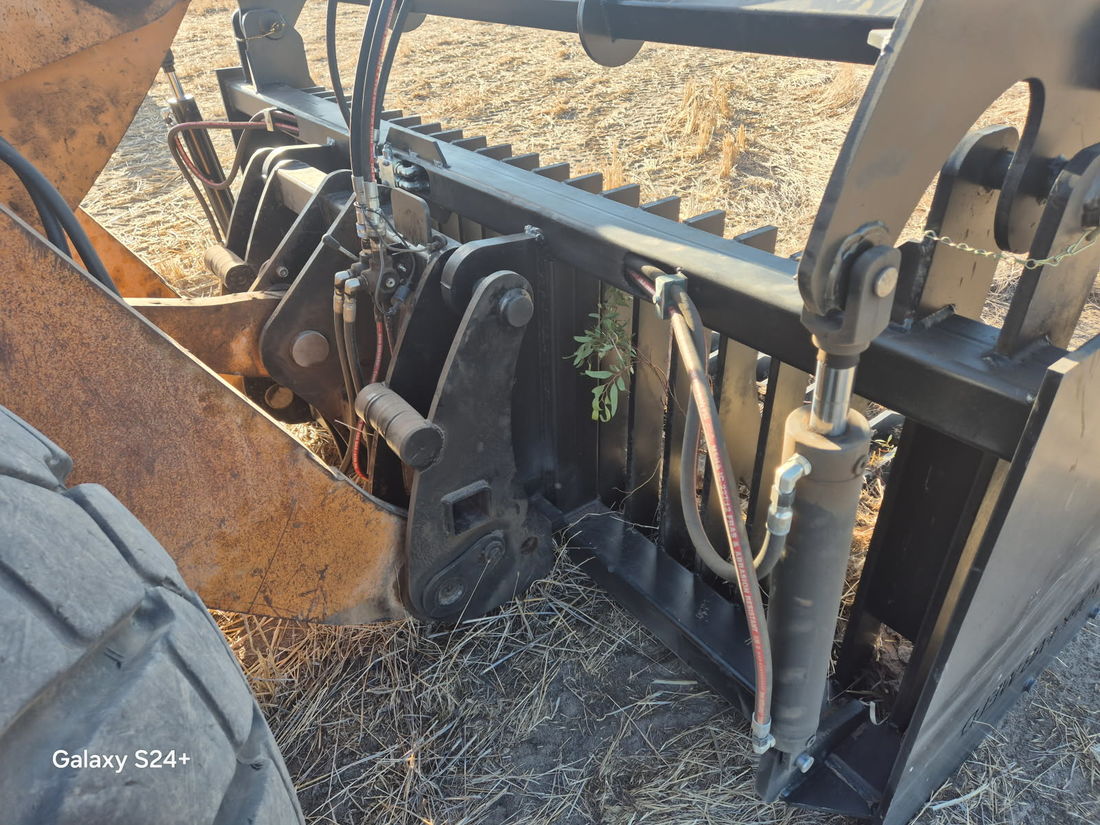
- Loader buckets and machinery components
- Structural steel for construction
- Equipment repairs and modifications
For agricultural businesses in Australia, agricultural fabrication plays a key role in improving efficiency and adapting equipment to specific tasks.
Custom solutions allow operators to get more out of their machinery while reducing downtime and maintenance issues.
Benefits of Custom Metal Fabrication
Choosing custom fabrication offers several advantages over standard, off-the-shelf solutions.
Key Benefits
- Perfect fit for your equipment and application
- Improved efficiency and performance
- Greater durability and lifespan
- Reduced maintenance and repair costs
- Tailored solutions for specific challenges
While custom fabrication may involve a higher upfront cost, it often delivers better long-term value through improved performance and reliability.
Why Custom Fabrication Matters in WA
Western Australia presents unique challenges that make custom fabrication especially valuable.
Local Conditions Include
- Rocky and uneven terrain
- Heavy-duty workloads
- Extreme weather conditions
- Remote operating environments
Standard equipment is not always designed for these conditions. Custom fabrication allows businesses to create solutions that are specifically built to handle the demands of working in WA.
This is why many businesses rely on metal fabrication in York, WA, and other local providers who understand these challenges firsthand.
How to Choose the Right Fabrication Provider
Not all fabrication services deliver the same level of quality. Choosing the right provider is essential to ensuring a successful outcome.
What to Look For
- Proven experience in custom fabrication
- High-quality materials and workmanship
- Ability to tailor solutions to your needs
- Clear communication and understanding
- Knowledge of local conditions
A good fabricator doesn’t just build — they provide solutions that improve your operation.
From Concept to Completion: Why the Process Matters
Understanding what is involved in custom metal fabrication highlights why quality matters at every stage.
From initial consultation through to final inspection, each step plays a role in ensuring the finished product performs reliably and lasts for years to come.
Cutting corners at any stage can lead to poor results, higher costs, and ongoing issues. That’s why working with experienced professionals is key.
Need Custom Metal Fabrication in WA?
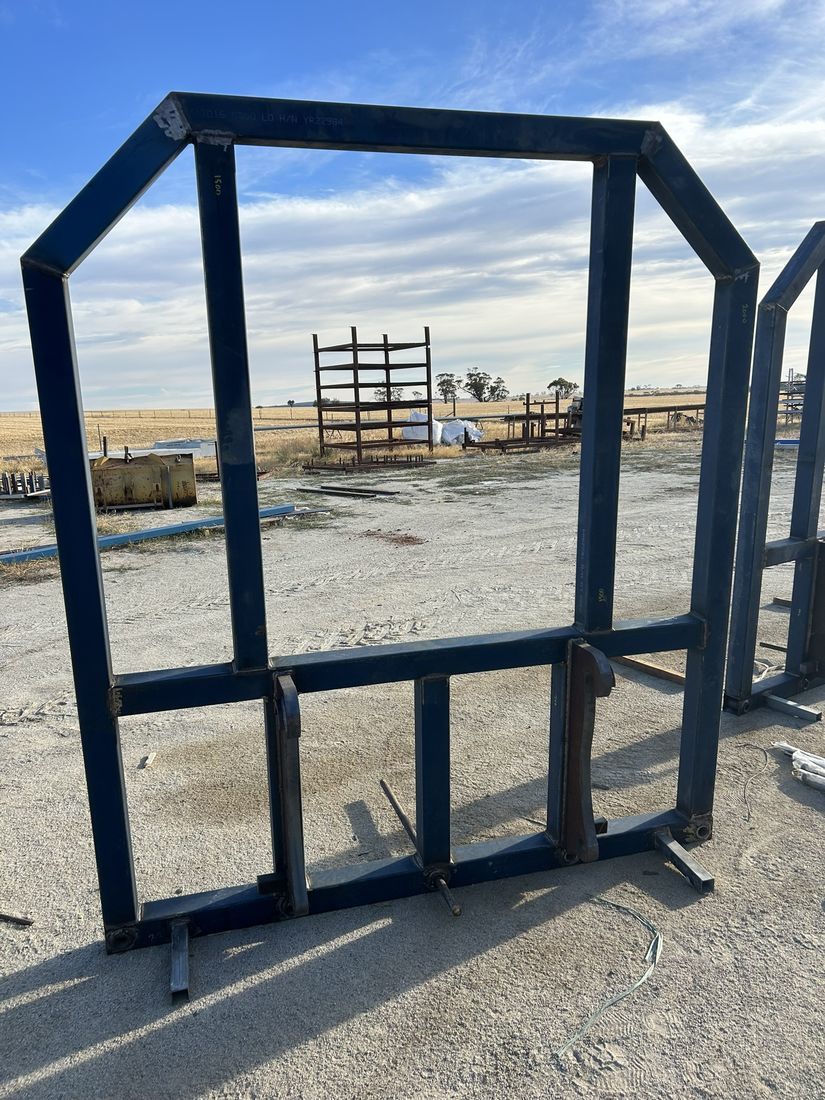
If you’re considering a custom fabrication project, working with a trusted provider can make all the difference.
At York Fabweld, we specialise in custom metal fabrication in WA, delivering high-quality solutions built for real-world conditions. From design through to completion, we ensure every project is tailored to your needs and built to last.
Get in touch today to discuss your project and find the right solution for your equipment or business.